Plasterboard & dry lining
Plasterboard and dry lining for renovations.
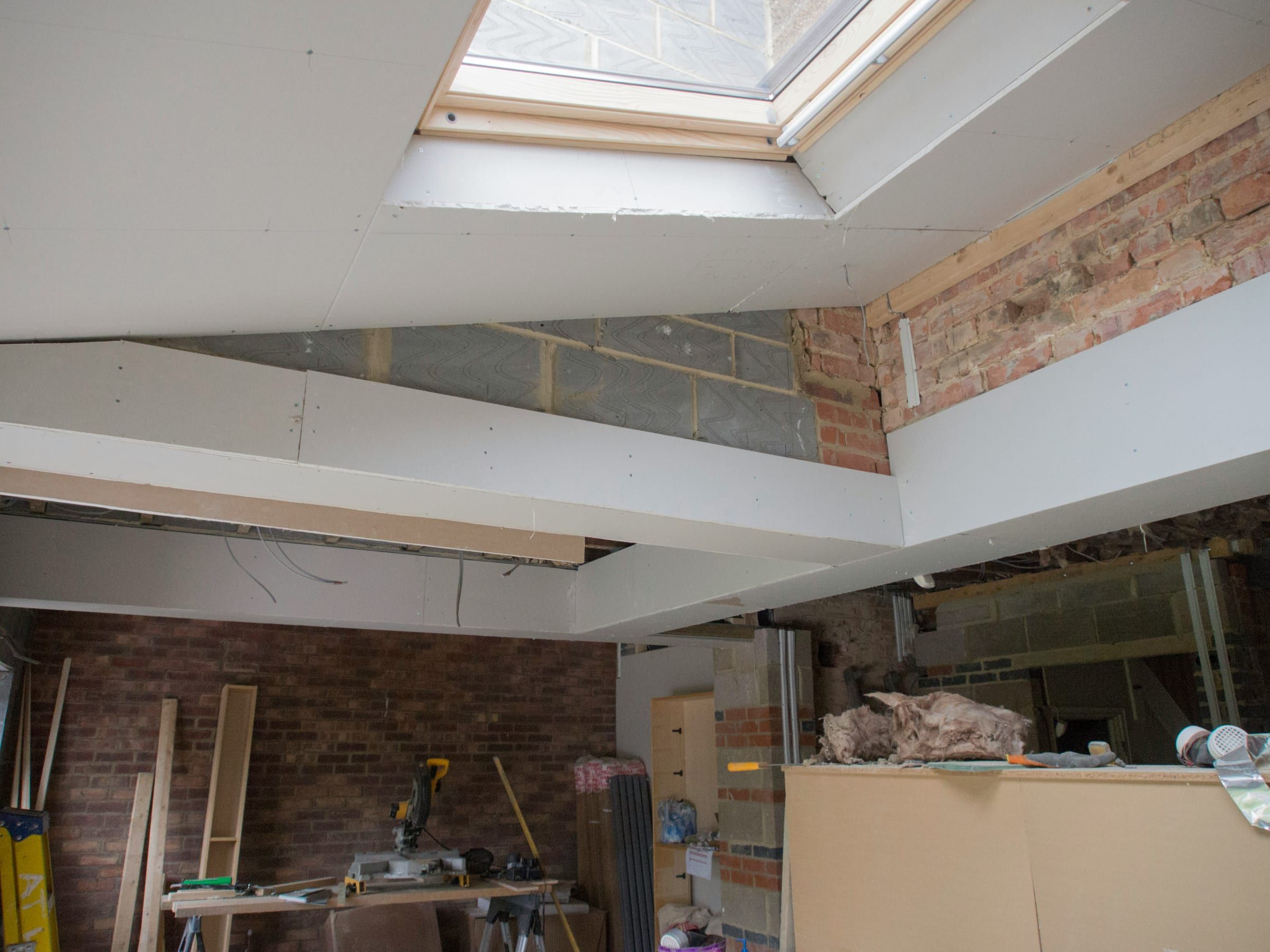
Plasterboard and dry lining give you a new, flat wall or ceiling where the old surface is too far gone to skim, or where a renovation changes the layout. Boards go up on studs, battens or adhesive, then the joints are taped and the whole surface is skimmed.
- Fully insuredPublic liability cover on every job.
- 12-month guaranteeOn our workmanship, in writing.
- Free written quotesClear prices, no obligation.
- Rooms protectedFloors and doorways covered first.
What boarding covers
- Boarding new stud walls, ceilings and boxing-in
- Dry lining uneven masonry walls on adhesive dabs or battens
- Replacing failed lath and plaster with new board
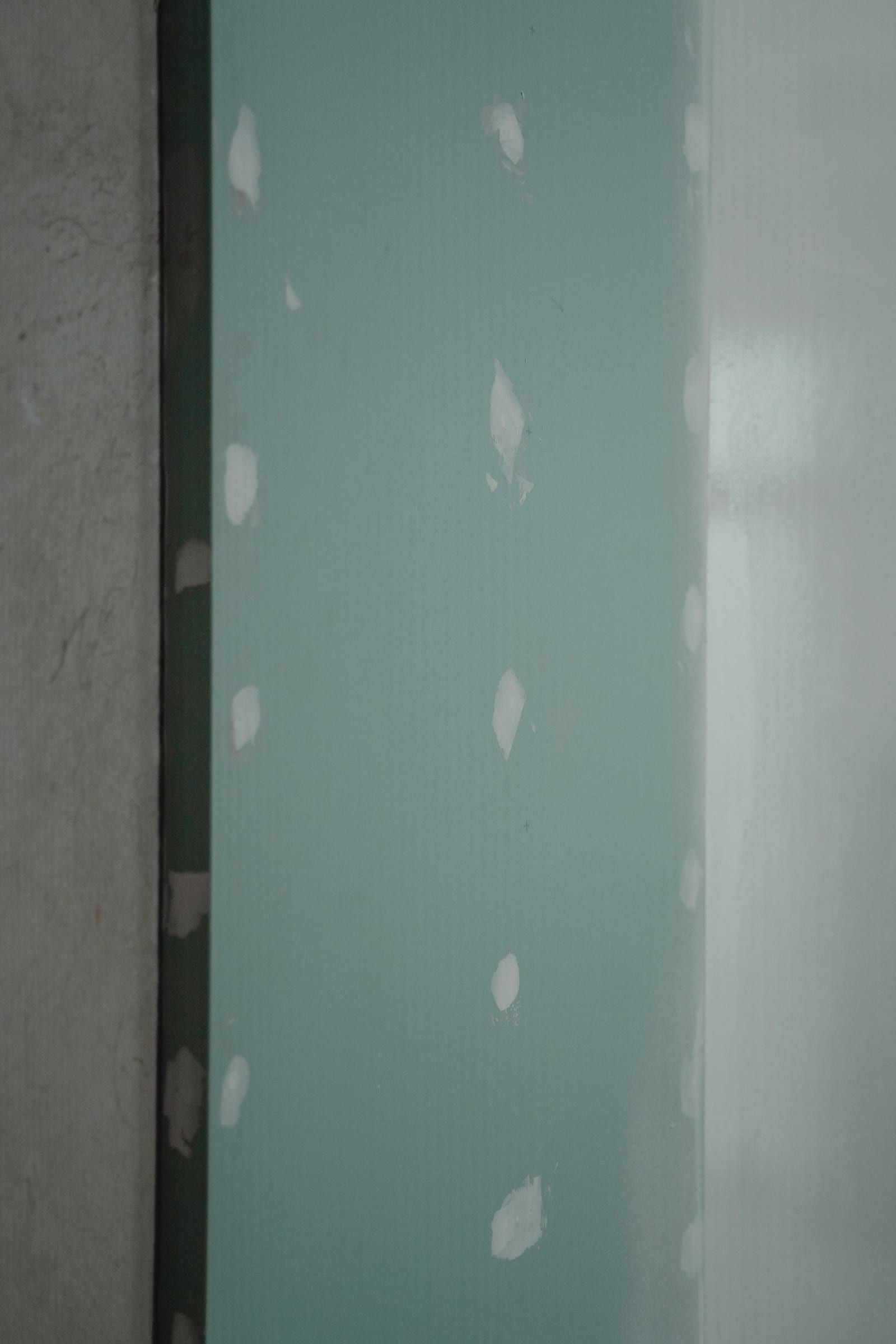
- Moisture-resistant board for kitchens, utility rooms and bathrooms
- Insulated plasterboard on cold external walls, where it suits the room
When you might need it
Old plaster is blown, crumbling or coming away in large areas
A ceiling has sagged or come down
You're adding a room, a cupboard or a new opening
An extension or loft room is ready to be boarded and finished
How boarding runs.
Measure and plan
We measure the walls and ceilings, check what's behind them and plan the boards to keep joints to a minimum.
Strip out
Failed plaster or lath comes down, the room is sealed off and the waste is cleared as we go.
Fix the boards
Boards are fixed to timber, metal or dabs with the joints staggered, and cut neatly around openings.
Tape, bead and skim
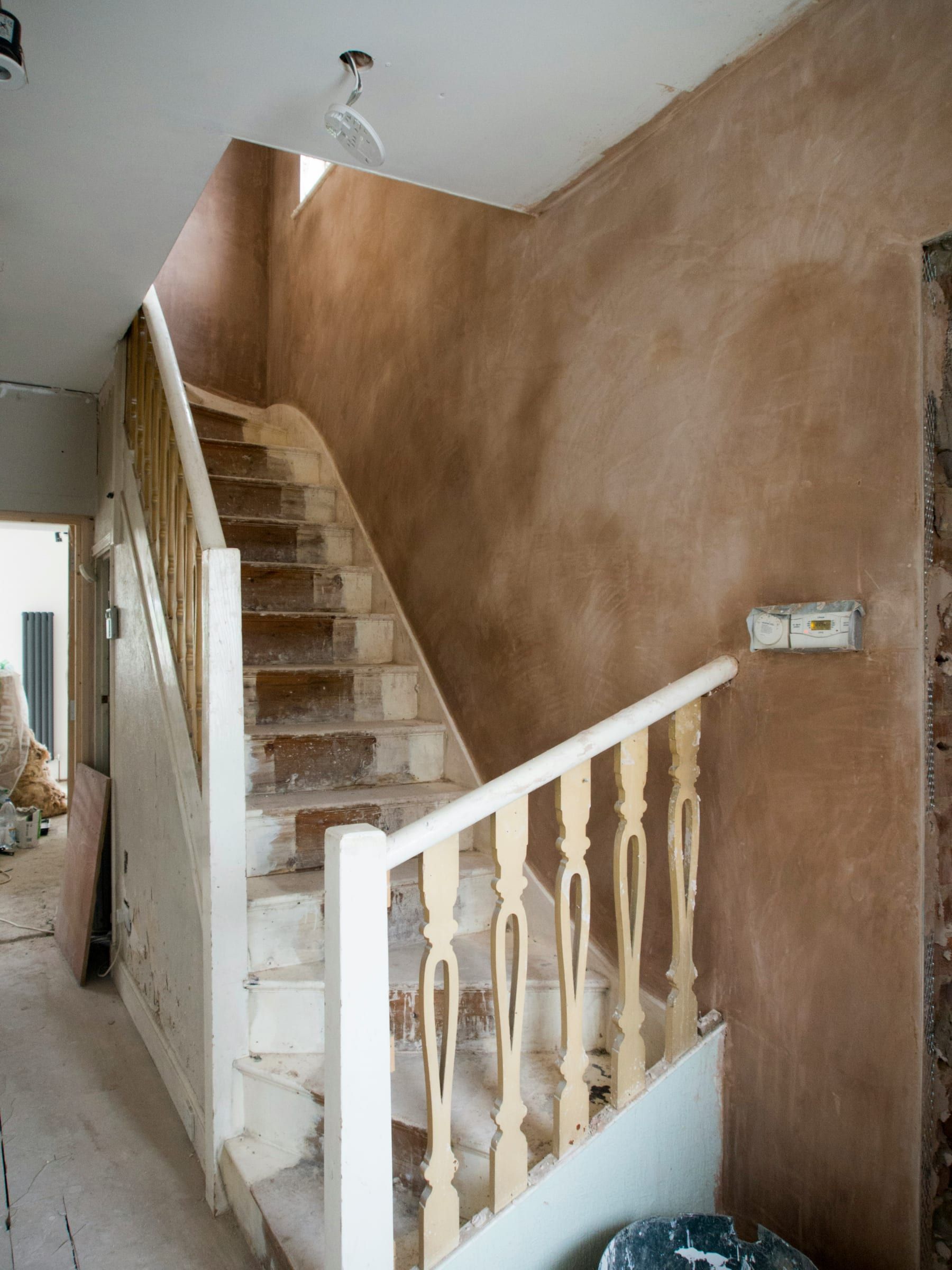
Joints are taped, corners beaded and the whole surface skimmed for one continuous finish.
Questions we’re often asked.
Drying times and decorating advice here are general guidance. Every room is different, so we’ll talk you through yours on the day.
Ask us something elseWhat's the difference between plastering and dry lining?
Traditional plastering is wet: backing coats and a finish applied straight onto the masonry. Dry lining fixes plasterboard over the wall first, which gives a flat surface quickly with less water going into the wall. The boards are then usually skimmed.
Do new plasterboard walls need skimming?
Not always. Boards can be taped, jointed and decorated. In most homes we skim them, because it gives one continuous, harder-wearing surface that hides every joint.
Can you board a ceiling that has come down?
Yes. The rest of the old ceiling is taken down safely, the joists are checked and new board is fixed and skimmed. If wiring or pipework above needs another trade, we'll tell you before anything is boarded over.
Is it messy?
Taking old plaster down is dusty. We seal the doorway, cover the floors and clear the rubble as we go, so the rest of the house stays usable.
Often booked together.
Planning new walls or ceilings?
Tell us what needs doing and roughly where. It takes about two minutes, and the quote is free.